
Booking a flight takes one click. Comparing hotel prices and room conditions is done through an app. Yet charter buses and VIP ground transport are still handled by phone calls and messenger chats. In June 2016, GroundK entered the market after spotting exactly that gap.
From analog to digital
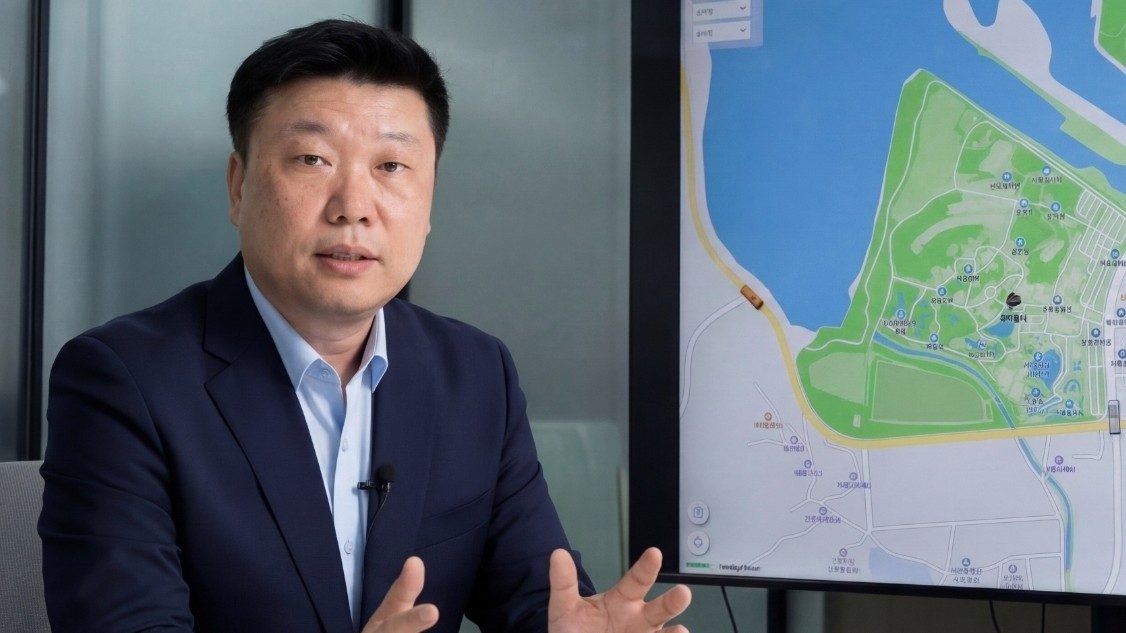
"I had worked across hotels, inbound tourism, and luxury tours," said GroundK's founder. "I watched the travel agency–centered industry shift rapidly toward OTAs and digital platforms. But the tourism-transport market was still stuck in an analog loop of messenger threads and manual paperwork." From the moment he founded GroundK in 2016, his goal was not simple transport agency work but building a specialist ICT-based protocol-and-transport service company.
Global standards from day one
"We built things like system integration with overseas B2B partners, multilingual environments, and digital map handling into the design from the very beginning." Early on, finding people with expertise in both mobility and tourism was a genuine challenge. He overcame it by identifying and hiring talent with dual-domain knowledge. The result was the company's proprietary solution, T-RiseUp.
In 2023, at the suggestion of the Busan Tourism Organization, GroundK relocated its headquarters to Busan. "Busan receives three million foreign tourists a year, and the southeastern tourism market is growing fast," he explained. "At the same time we kept our Seoul office, because demand tied to Incheon and Gimpo airports is still concentrated in Seoul."
T-RiseUp: solving a structural problem
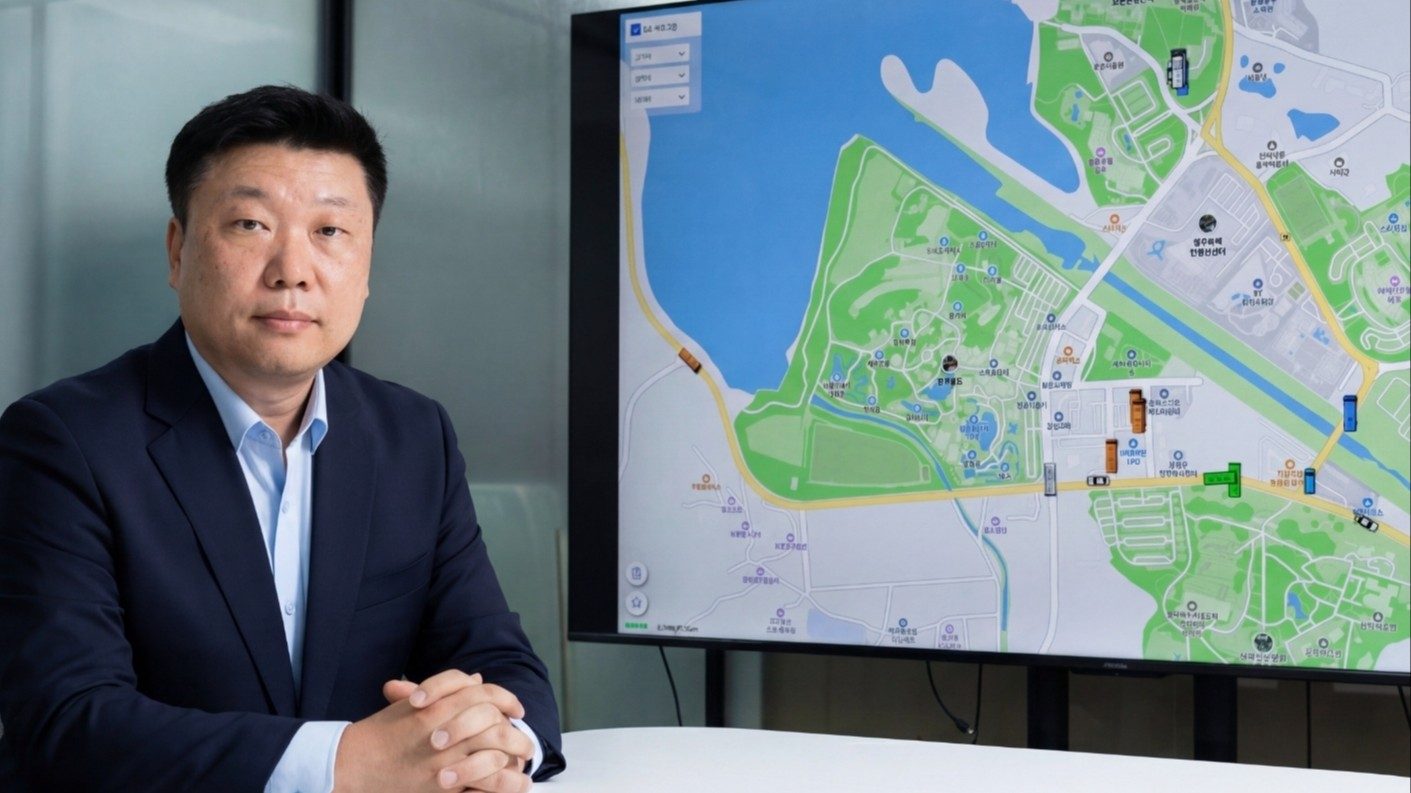
T-RiseUp is GroundK's in-house–built solution. The founder emphasizes that it addresses a structural flaw in the tourism-transport market. "A single trip involves travel agency coordinators, guides, dispatch managers, and drivers—all exchanging information. One breakdown in that chain can ruin an entire VIP itinerary." The platform consolidates flight departure and arrival data, vehicle readiness, dispatch status, and real-time movement into a single system.
"T-RiseUp was not outsourced," he stressed. "It was designed and built from scratch against the demands of real field operations. Hundreds of protocol-and-transport projects informed the system architecture—that hands-on experience is our competitive edge."
Structural problems in the tourism-transport industry
He identifies two chronic weaknesses in the sector. The first is analog dependency: many operators still handle reservations, dispatch, and settlement through handwritten notes, messenger apps, and radio. "There is nothing inherently wrong with analog methods, but they make it nearly impossible to process work quickly or accumulate the data needed for sound decision-making." The second is complex communication structures. Unlike a standard taxi—a simple one-to-one transaction—tourism transport involves layered B2B relationships. "One mistake can cost you a long-term client."
GroundK targets the driver-inclusive vehicle service segment within a total tourism-transport market estimated at around KRW 10 trillion—a roughly KRW 3 trillion slice. Within that, it focuses specifically on the B2B segment covering MICE events and business travel.
Three straight years of sharp growth
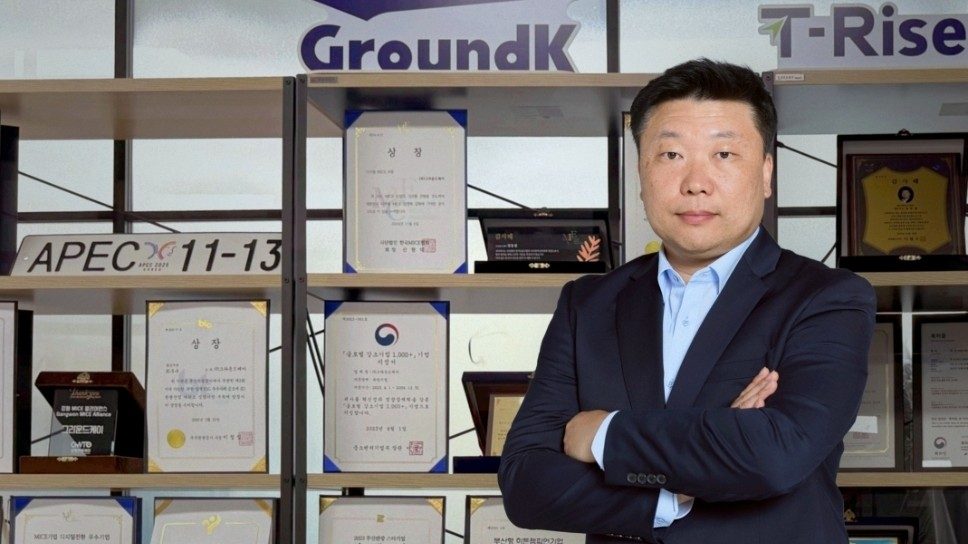
Revenue rose from KRW 5.09 billion in 2023 to KRW 6.31 billion in 2024 (+23.9% year on year), then to KRW 11.17 billion in 2025 (+77.1%). The founder credits much of the 2025 surge to serving as an official transport partner for APEC 2025 KOREA. "Beyond the revenue figure, it proved to the market that we have the technology and operational capability to take responsibility for a national-level event."
GroundK has raised approximately KRW 2 billion through K-Bridge Investment and the Korea Credit Guarantee Fund, and holds Venture Company, Main-Biz, and Technology Grade T-4 certifications that underpin its credibility as a technology-driven growth company.
Innovating Mobility for Asia
"When choosing which Asian markets to enter, we apply specific criteria: non-English-speaking countries where inbound MICE tourism is well developed." Three conditions guide the selection—frequent MICE events, an international hub airport, and a local driver workforce that communicates only in its native language, limiting interaction with foreign clients. The priority markets are Singapore, Thailand, and Japan. In 2023, GroundK established a Singapore subsidiary in partnership with the Korea Tourism Organization, creating its first overseas foothold.
The founder offers a word of advice to anyone considering a venture in tourism or transport mobility. "This industry is never glamorous. It's not highly visible, and without field knowledge even strong technology becomes useless. That is precisely why someone who knows the field and can build technology—or someone who understands technology and masters the field—creates a domain that is very hard for others to challenge. Nine years of walking that road is our proof."
▸ View original: VentureSquare